Before texting, FaceTime, and voice messages, people still found ways to send their voices to the people they missed.
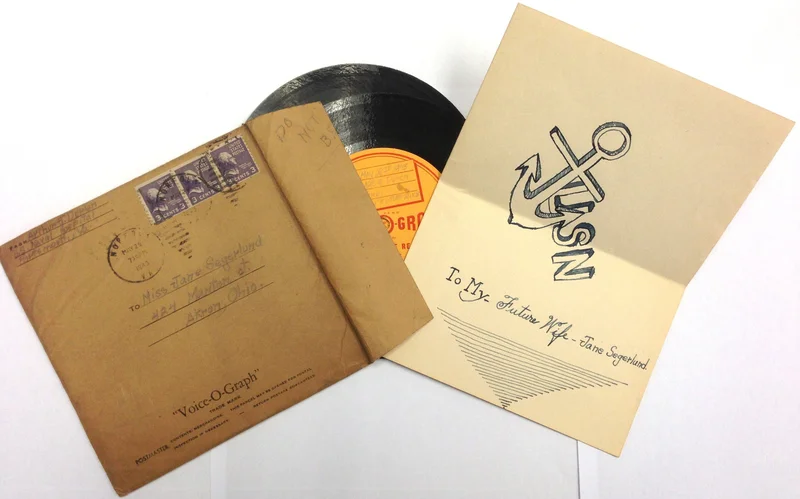
Imagine getting a small record in the mail from someone you love. Instead of just reading a letter, you could play the record and actually hear their voice. You could hear them laugh, talk, and say things just like they would in person.
Today, sending a voice message is easy and only takes a few seconds. But back in the 1930s and 1940s, people were already doing something similar. They recorded messages onto small records and mailed them to their friends, family, or loved ones. These were called voice letters, and they gave people a way to feel closer to each other even when they were far apart.
How Did Voice Letters Work?
Before smartphones, people had to use special recording booths to record messages and send them through the mail.
The process was pretty simple:
- Find a recording booth. These booths could be found in places like amusement parks, post offices, and bus stations.
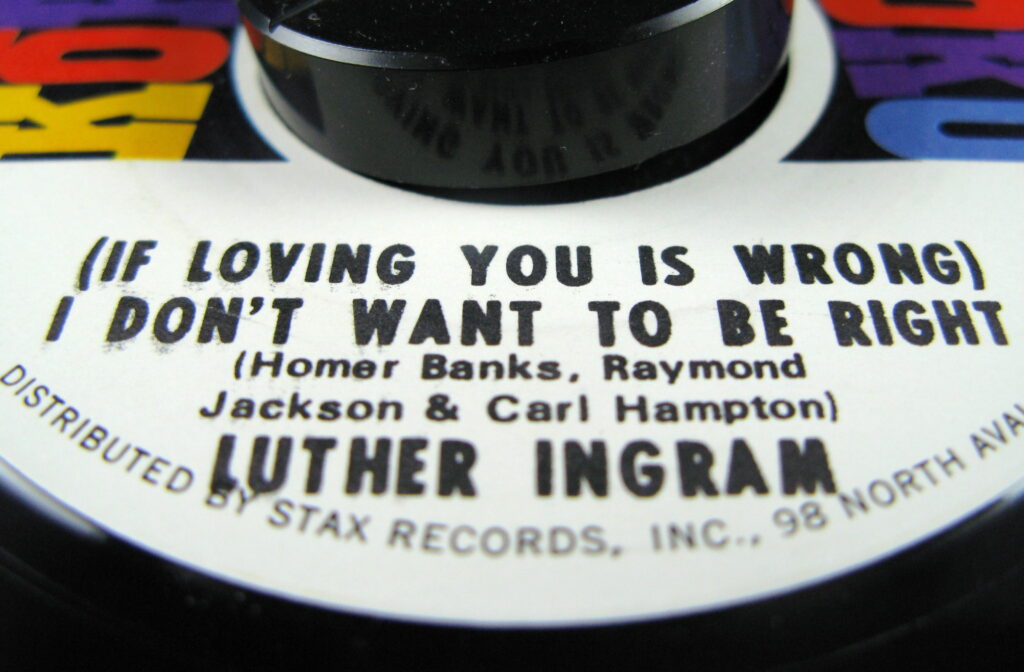
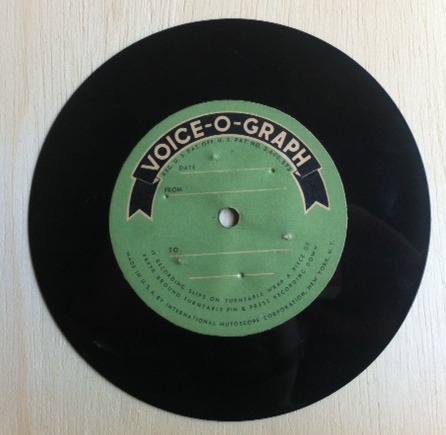
- Record your message. For a small fee, you could speak into a microphone and record your voice onto a small disc.
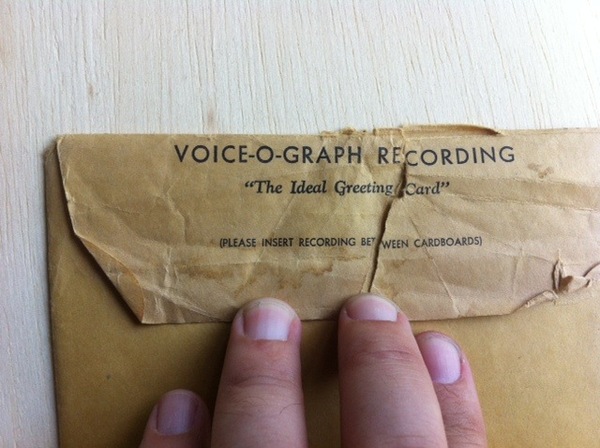
- Mail it to someone. Once the recording was finished, you could put it in an envelope and send it to someone.
- Listen to the recording. When the person received it, they could play it on a phonograph and hear your voice.
These recordings were especially meaningful for people who lived far away from each other. Soldiers could send messages home, and couples could use them to share their feelings. Instead of just reading a letter, people could actually hear the voice of someone they missed.
Think about it: Today, sending a voice message takes seconds, but back then, receiving a recording of someone’s voice in the mail was a much more special experience.
More Than Just a Love Letter
Even though a lot of people used these recordings for love messages, they were also used for other things. People could share what was going on in their lives, talk about their travels, or send updates to their family.
Some people probably knew exactly what they wanted to say, while others might have felt nervous or struggled to find the right words. I think that is part of what makes these recordings interesting because you get to hear real people talking in their own voices.
Even though this technology is pretty old, the reason people use it is still the same today. People want to feel close to the ones they care about, especially when they cannot be together in person.
From Records to Voice Messages
Most people probably think voice messages are a pretty modern thing, but people were doing something similar way before smartphones existed. Today, we use voice messages to tell stories, give updates, or just talk when we do not feel like typing. Voice letters show that people have been finding ways to send recordings of their voices for a long time.
The biggest difference is how we send them. Back then, people had to record their message onto a disc, put it in an envelope, and mail it to someone. Now, we can send a voice message from our phones in just a few seconds.
Even though the technology has changed, the idea behind it is still the same. Hearing someone’s voice can make a message feel more personal because you can hear their emotions in a way that you might not get from reading a text.
Voice Letters in the 1930s and 1940s
Voice Messages Today
| Recorded onto a physical disc | Recorded digitally on a phone or computer |
| Delivered through the postal service | Sent through messaging apps |
| Played on a phonograph | Played through a phone, computer, or headphones |
| Could take days to arrive | Usually arrive within seconds |
| Created a physical object that could be saved | Can be saved, shared, or deleted digitally |
Further Readings
- NPR — “Voice in the Mail: Audio Love Letters Were Hot in the 1930s and ’40s.”
https://www.npr.org/2018/02/14/585776715/voice-in-the-mail-audio-love-letters-were-hot-in-the-1930s-and-40s
An introduction to the history of audio letters, how the recording booths worked, and examples of the messages people sent. - The Phono-Post Archive.
https://www.phono-post.org/browse.cgi
Explore a collection of historical audio letters and related archival materials. - Phono-Post — About the Project.
https://www.phono-post.org/?p=about
Learn more about the research project documenting and preserving these recordings. - Instagram Ad— Before Voice Notes
https://writtenbysirena.com/uncategorized/instagram-post-before-voice-notes/ A promotional Instagram post designed to grab attention with bold visuals and encourage people to visit my website. - Pinterest Ad— Audio Love Letters
https://writtenbysirena.com/uncategorized/pinterest-audio-love-letters/ A Pinterest post using vintage visuals that are simple and move to introduce audio love letters and direct viewers to my website to learn more about their history. - Facebook Ad— Art of Love
https://writtenbysirena.com/uncategorized/facebook-art-of-love/ A Facebook post kept really simple comparing modern voice messages to old audio recordings,and a link to encourage people to visit my website.
That’s really cool!